
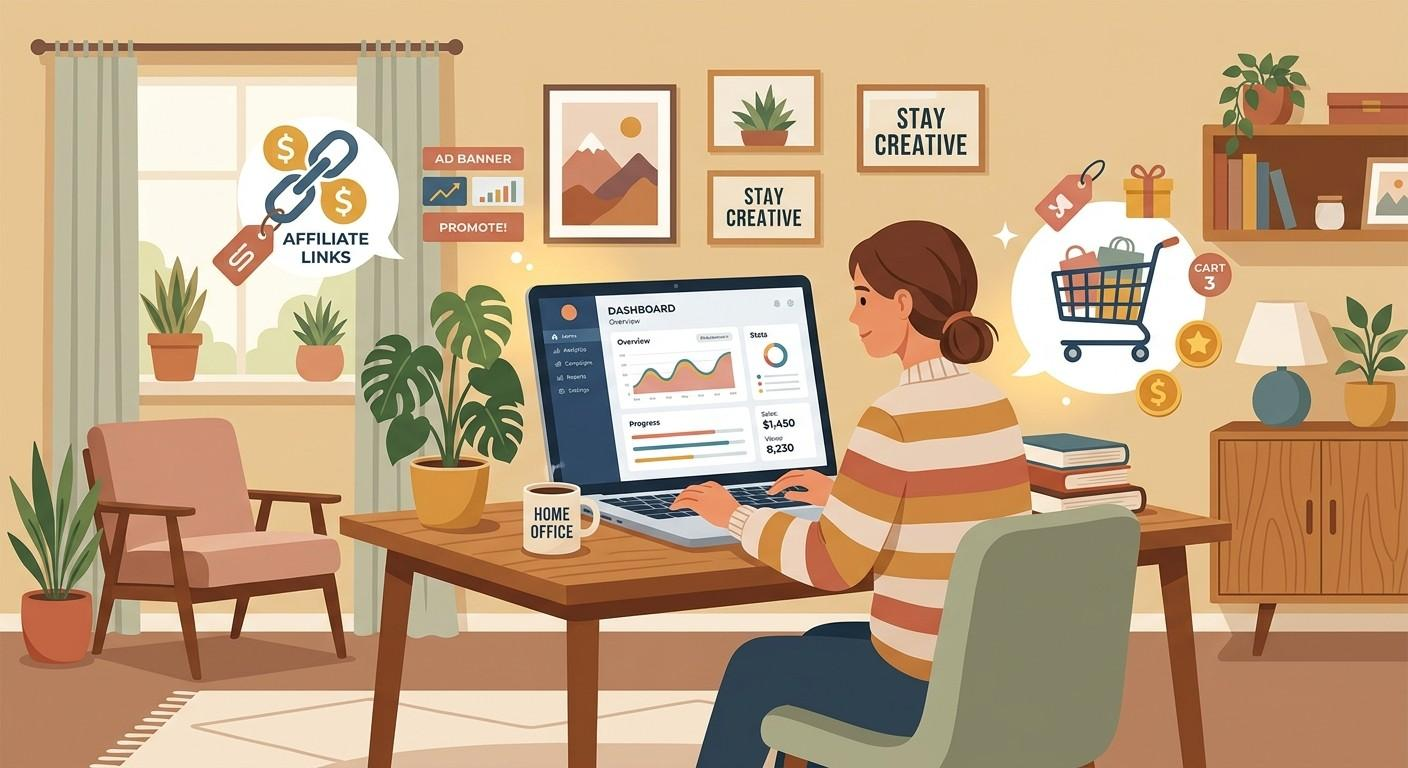
Affiliate marketing has become a popular way to earn money online by promoting products and services offered by other businesses. It allows individuals to build an online business without developing their own products or managing inventory.
In a typical affiliate marketing arrangement, a business provides an affiliate with a unique tracking link. The affiliate promotes the product or service through a website, blog, newsletter, or other permitted marketing channel. When a customer completes a qualifying purchase through that link, the affiliate may earn a commission according to the program’s terms.
One of the reasons affiliate marketing attracts beginners is its flexible business model. However, earning commissions requires more than placing links on a website. Successful affiliate marketers need to understand their audience, create useful content, and build trust with potential customers.
Here are eight important benefits of becoming an affiliate marketer and how they can help you build an online business.
1. Earn Commissions by Promoting Products
One of the main benefits of affiliate marketing is the opportunity to earn commissions by recommending products or services.
Instead of creating and selling your own products, you promote offerings from businesses that already have products available.
When someone makes a qualifying purchase through your affiliate link, you may receive a commission.
For example, a website focused on photography could recommend camera accessories, editing software, or photography courses that are relevant to its readers.
The commission structure depends on the affiliate program. Some programs pay a percentage of the sale, while others offer a fixed amount for qualifying actions.
Your earnings will depend on several factors, including the quality of your content, audience interest, product relevance, conversion rates, and the program’s commission terms.
Affiliate marketing can provide an additional income opportunity, but commissions are not guaranteed.
2. Start Without Developing Your Own Products
Creating a product requires research, development, testing, and ongoing improvements.
Affiliate marketing allows you to promote products that have already been developed by another business.
This means you can focus your efforts on understanding your audience, creating content, and recommending relevant products.
For example, if you operate a website about digital marketing, you might promote website tools, educational courses, or marketing software.
You do not need to manufacture these products or develop the software yourself.
However, choosing products carefully is important.
Before recommending an affiliate product, consider its quality, usefulness, reputation, and suitability for your audience.
Promoting products simply because they offer high commissions can damage your credibility.
The best approach is to recommend products that genuinely help your readers solve problems.
3. Work From Home With Flexible Hours
Affiliate marketing offers the possibility of working from home and organizing your business around your schedule.
You can create content, research products, communicate with your audience, and manage your website from a home office or another suitable location.
This flexibility can be attractive to people who want to build an online business alongside other responsibilities.
For example, you might spend a few hours each week researching topics, writing articles, updating affiliate links, and reviewing website performance.
However, flexibility does not mean that affiliate marketing requires no effort.
Building an audience, improving content, and developing a sustainable marketing strategy take time and consistency.
Your results will depend on the work you put into the business and how effectively you serve your audience.
4. Avoid Managing Inventory and Shipping
Another advantage of affiliate marketing is that affiliates generally do not need to store, package, or ship the products they promote.
These responsibilities usually belong to the merchant.
When a customer purchases a product through an affiliate link, the merchant typically manages the transaction, product fulfillment, and shipping.
Depending on the merchant’s arrangement, customer service and returns are also handled by the merchant.
This allows affiliates to concentrate on marketing activities rather than managing physical inventory.
For example, a blogger promoting books, software, or educational products can focus on publishing useful reviews and guides without maintaining a warehouse.
Nevertheless, affiliates should understand the merchant’s policies and avoid making promises about shipping, refunds, or customer service that they cannot verify.
5. Begin With Relatively Low Startup Costs
Affiliate marketing can be started with a relatively modest budget compared with businesses that require product manufacturing or physical inventory.
Many affiliate programs allow individuals to apply without paying an enrollment fee.
You may be able to begin by publishing useful content on an existing website or using a permitted content platform.
However, building a professional website can involve expenses such as:
- Domain registration.
- Website hosting.
- Website design or development.
- Content creation.
- Email marketing services.
- Optional marketing tools.
Some affiliates also invest in advertising, although paid advertising is not necessary for every affiliate marketing strategy.
The amount you spend should depend on your goals and available resources.
Starting with a manageable budget can help you learn how affiliate marketing works before making larger investments.
Important: A low startup cost does not mean that affiliate marketing is risk-free or that it will generate immediate income.
6. Choose Products That Match Your Interests and Audience
Affiliate marketing provides opportunities to promote products across many different industries.
Depending on the available programs, you might promote products related to technology, education, fitness, home improvement, photography, business, or other subjects.
This variety allows you to choose a niche that matches your interests and the needs of your audience.
For example, a website about home organization could recommend storage products, planning tools, or relevant educational resources.
A technology website might publish product comparisons, tutorials, and software reviews.
The most important consideration is whether the products are relevant to your readers.
A website that promotes unrelated products may struggle to build trust or provide a consistent experience.
Choose a niche that allows you to create useful content and understand the questions your audience wants answered.
7. Reach a Wider Audience Through the Internet
The internet allows affiliate marketers to reach people beyond their immediate geographic location.
A website can potentially attract readers from different countries, depending on its language, subject, accessibility, and marketing strategy.
For example, an English-language website about online business may attract readers from several regions.
This creates opportunities to introduce relevant products to a broader audience.
However, reaching an international audience requires understanding differences in purchasing preferences, product availability, shipping restrictions, currencies, and affiliate program eligibility.
Not every product is available in every country.
Before promoting an offer, check whether the merchant serves the locations where your audience lives.
You should also ensure that your content provides clear information about the product and its intended audience.
8. Build a Business With Long-Term Growth Potential
Affiliate marketing can become a long-term business when it is built around useful content, audience trust, and consistent improvement.
For example, a website may begin with a few helpful articles about a specific topic.
Over time, the website owner can expand the content library, publish product comparisons, answer frequently asked questions, and develop an email newsletter.
As the website grows, older articles may continue attracting visitors through search engines and other discovery channels.
However, maintaining a website requires ongoing work.
Content may need to be updated, affiliate links checked, outdated recommendations replaced, and new questions addressed.
Affiliate programs can also change their commission rates, terms, or availability.
A sustainable business therefore depends on adapting to these changes and continuing to provide value to readers.
Is Affiliate Marketing Right for Beginners?
Affiliate marketing can be a suitable option for people interested in building an online business, especially those who enjoy writing, researching products, creating educational content, or helping others make purchasing decisions.
Before getting started, consider the following questions:
- Do you have a topic you understand or want to learn about?
- Can you create useful content for a specific audience?
- Are you willing to invest time in building a website or another permitted marketing channel?
- Can you recommend products honestly and responsibly?
- Are you prepared for the possibility that earnings may take time or may not develop as expected?
Answering these questions can help you decide whether affiliate marketing matches your interests and resources.
Conclusion
Affiliate marketing offers several potential benefits, including the opportunity to earn commissions, promote existing products, work from home, avoid inventory management, and build an online business with relatively low initial costs.
It also provides flexibility in choosing products and reaching audiences through the internet.
However, affiliate marketing is not a guaranteed source of income.
Building a successful affiliate business requires useful content, audience research, honest recommendations, and consistent effort.
Rather than focusing only on commissions, concentrate on helping readers understand products and make informed decisions.
By choosing a relevant niche, developing trustworthy content, and improving your marketing approach over time, you can build a stronger foundation for your affiliate marketing business.
